Hosts of Why Can't They Just?
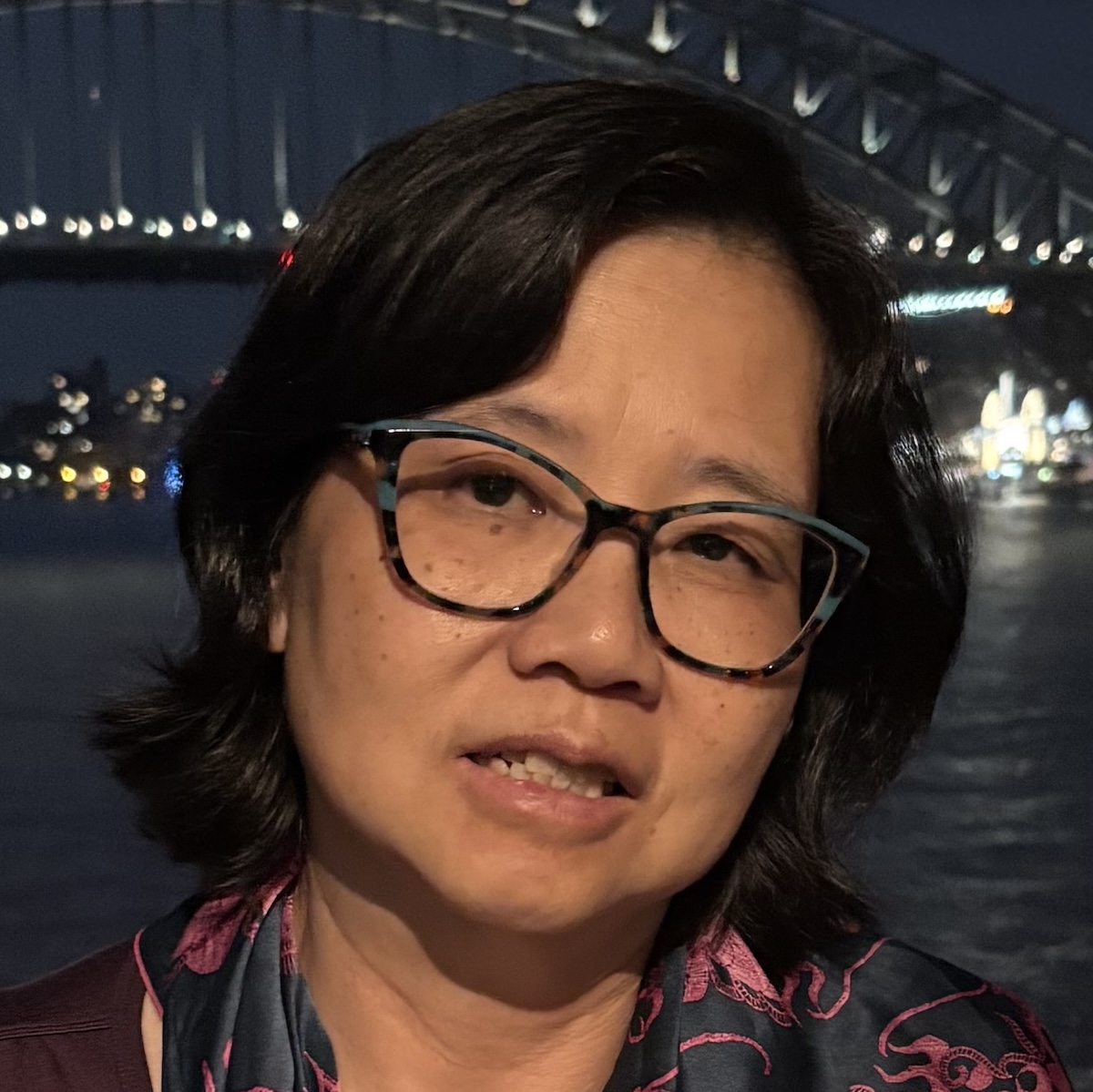
Janaline Oh
Janaline is a former diplomat and current climate, environment and anti-racism activist.
“As a longstanding Canberra-based bureaucrat, I believe in the power of policy to shape and improve lives. I am also acutely aware of the importance of having those policies understood by the people affected by them.
“I started Why Can’t They Just? as way of moving beyond slogans and into what policies really are and what they mean for real people.”
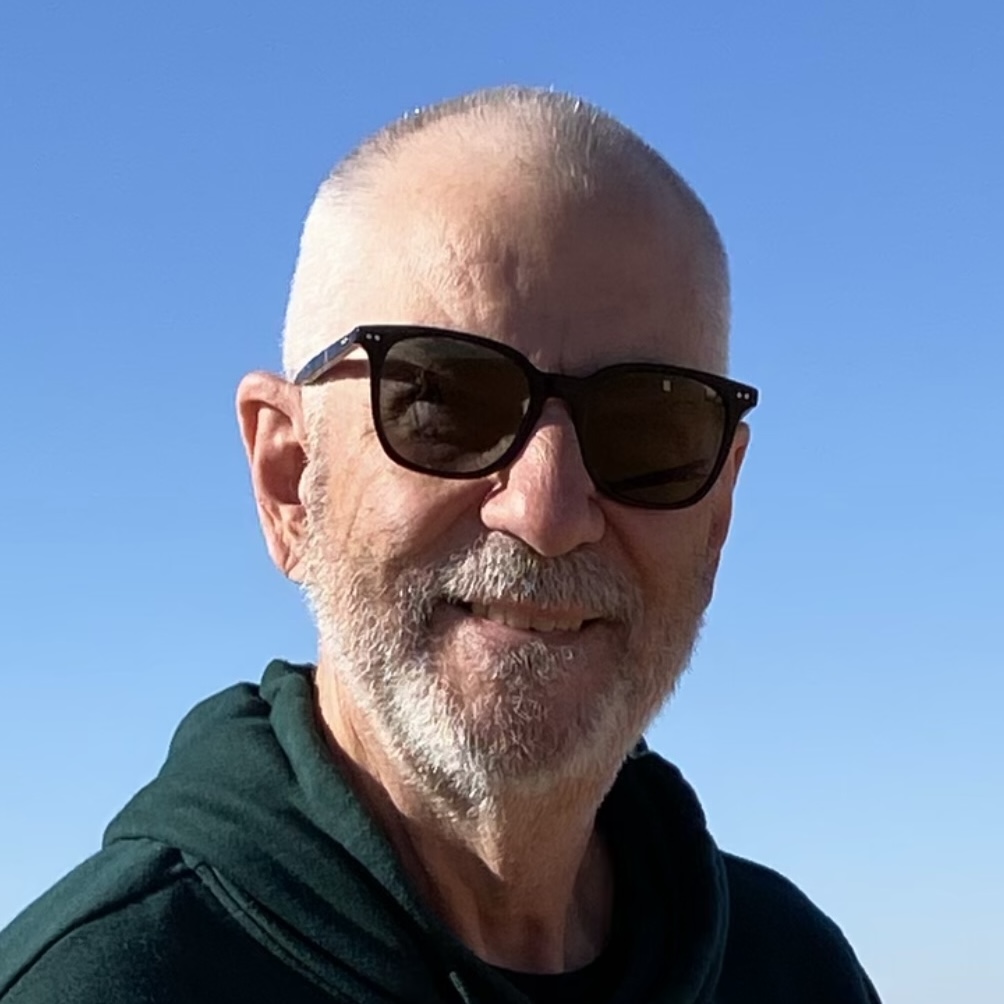
Glenn Davidson
Glenn has a background in education, public service and community radio.
“After far too long being annoyed about the confected outrage, gaslighting, punching down and wilful distortion of facts in our national discourse, I jumped at the opportunity to join the team at Policy 4 People and Why Can’t They Just. I hope to contribute something positive to ordinary people like me understanding complex issues and exercising their vote in an informed way to build and sustain a community and nation that works for all of us.”
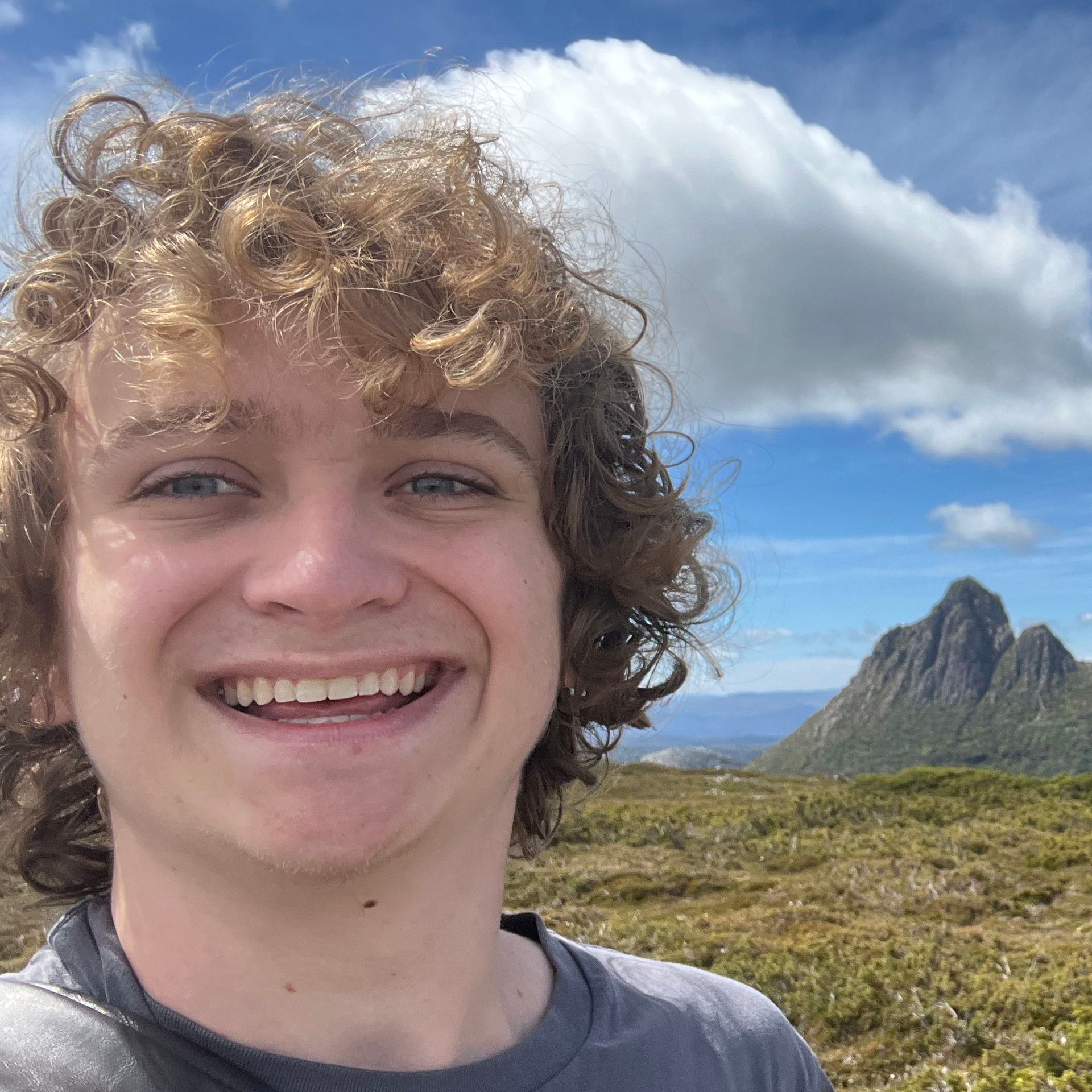
Luke Robertson
Luke is a student in conservation biology and environmental policy.
“I got interested in public policy and particularly environmental policy around 2020, seeing the damage that things like the ‘Wild Horse Heritage Bill’ did to Kosciuszko National Park, as well as budget cuts made to the national parks service that eventually worsened the Black Summer Bushfires.
“I joined the Policy for People and Why Can’t they Just team after seeing the hard fought passage of the Environment Protection and Biodiversity Conservation Act and the power of community organising for good. I am now hoping to help with community outreach in all areas of policy to make Australia the fairest and most equitable country that it can be.”
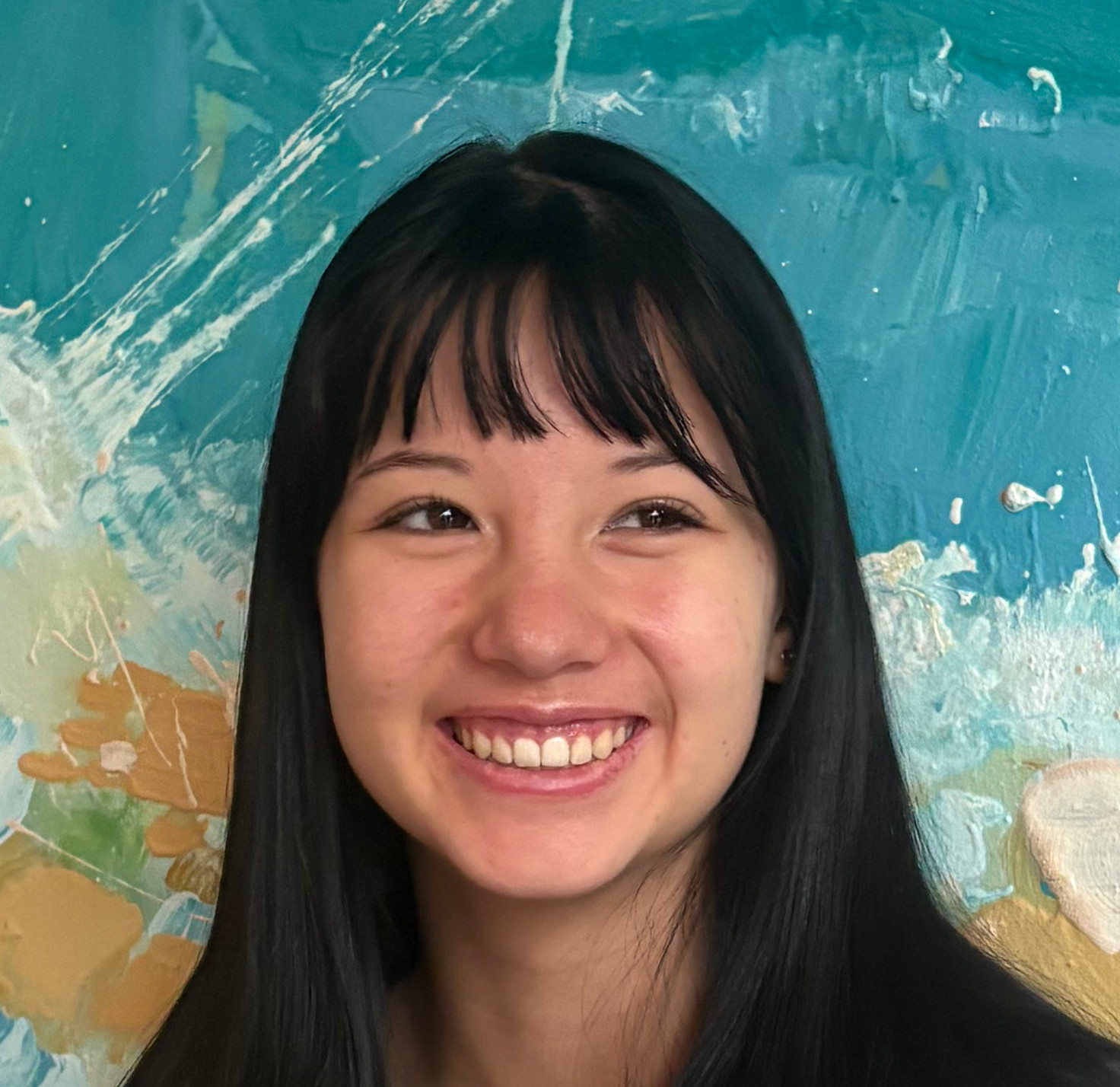
Yassine Andrews
Yassine is in Year 11 at a public school.
“I think it is important for the younger generation to be interested in and aware of policy and its impacts on their current and future lives - especially since a lot of young people have no interest in government policies.
I joined Why Can’t They Just and Policy 4 People because I think that it is important to have the perspective of a younger Gen Z. I think people my age need to be a part of the discussion and taken into consideration when talking about the impacts of policy. Since I have lots of strong opinions about things, I can express them in the context of policy through the podcast.”
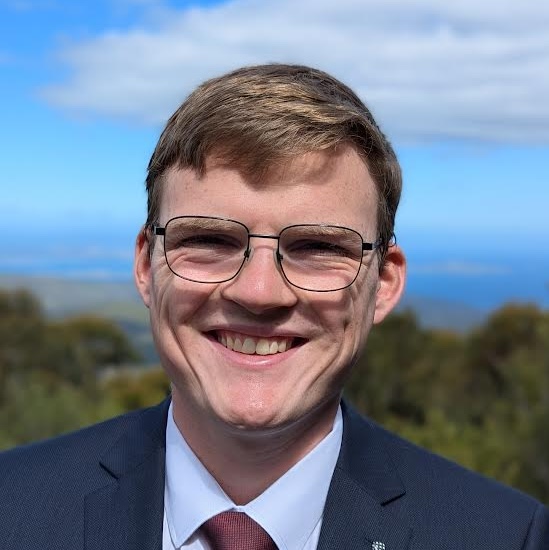
William Sinclair
William is an economist and mathematician.
“People on the progressive end of the political spectrum have legitimate questions: Why can’t they just stop new coal and gas? Why can’t they just end the AUKUS program or stand up to Donald Trump or do all the ambitious things that progressively minded people would support?
“This podcast tries to answer these sorts of questions in a compassionate way without the dismissiveness that often accompanies mainstream politics. We try to examine the other side’s point of view without condescension or contempt. I wanted to make a podcast that would rise above the petty politics of gossip, horserace punditry and psychological conjecture on politicians that passes for analysis. I wanted to talk about the thing that really matters: policy.
“I hope our listeners will hear an argument they genuinely find novel and reach their own conclusions about what we’re discussing.”